


Cairo in five days: pyramids, old city and the Nile
Cairo is not a city you simply visit. You let yourself be drawn into it. Between the pyramids at the edge of the desert, thousand-year-old minarets and the cafés of Zamalek lie only a few kilometres – and yet five thousand years. If you travel in autumn, you see the city in its most beautiful light.
When to go
From October to April, Cairo is pleasantly warm, with daytime temperatures around 25 degrees and hardly any rain – ideal for early mornings on the Giza Plateau and long walks through the old city (Airbnb Cairo Travel Guide). November is also art season: Art D'Égypte then connects the pyramids, Downtown, the Egyptian Museum and historic Cairo in a single exhibition route (Flair Magazine).
How many days?
Three full days are enough for the great names. With four or five days, there is room for Saqqara, Dahshur and the slower Cairo of Zamalek (Cairo Tourism). Since the Grand Egyptian Museum opened fully, this museum alone takes half a day (Cairo Tourism).
Day 1 – Giza: the pyramids and the Grand Egyptian Museum
Set off early, while the light is soft and the plateau is quiet. The pyramids of Khufu, Khafre and Menkaure, the Sphinx and the panorama point belong at the start. Then the way leads to the Grand Egyptian Museum at the edge of the plateau – a world of its own, to which we have already dedicated a separate post. In the evening, back to Zamalek or Downtown (Cairo Stay Finder).
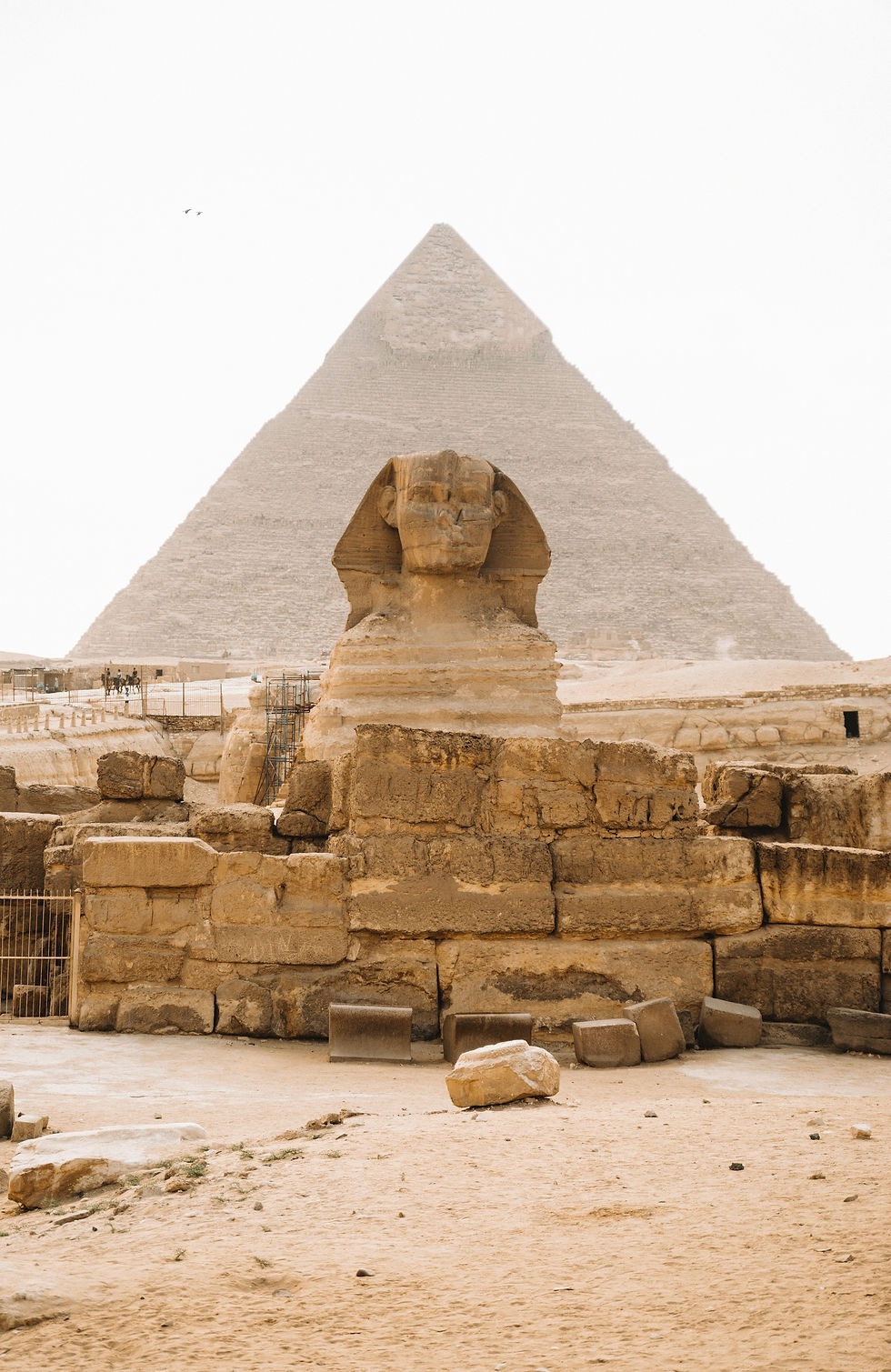
Photo: Alex Azabache / Unsplash
Day 2 – Islamic Cairo and Khan el-Khalili
Islamic Cairo is a UNESCO World Heritage Site. Its axis is Al-Muizz Street, laid out in 969 and lined with mosques, madrasas and richly decorated medieval façades. The Al-Azhar Mosque, founded in 970, is home to one of the oldest universities in the world; the Sultan Hassan Mosque is considered a high point of Mamluk architecture (Cairo Tourism).

Photo: Thales Botelho de Sousa / Unsplash
Right next to it lies Khan el-Khalili, a place of trade for more than 600 years – with lanterns of mouth-blown glass, brass, spices, gold, silver and fabrics (Cairo Tourism). The most beautiful moment is late afternoon, when the lamps come on. Our advice: do not just shop, but linger, drink a tea and watch the rhythm of the quarter (Cairo Stay Finder).
Day 3 – the Citadel and Coptic Cairo
Saladin's Citadel on the Mokattam Hill was built in 1176 and remained the seat of Egypt's rulers for almost 700 years. Within its walls stands the Muhammad Ali Mosque, the «Alabaster Mosque»; on clear days the view from the terrace reaches all the way to the pyramids (Egyptra).
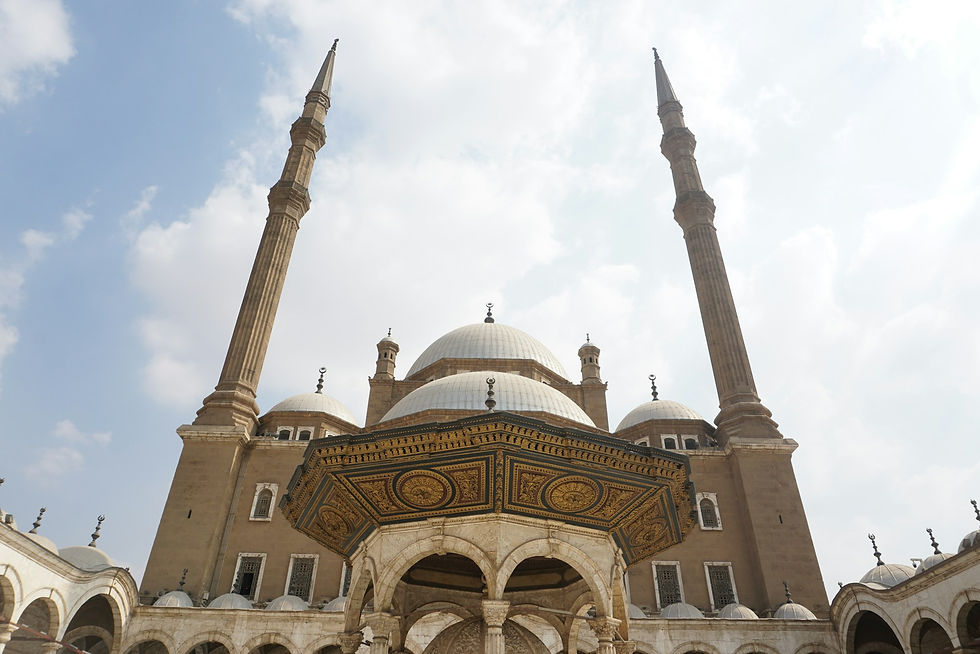
Photo: Ludovico Di Giorgi / Unsplash
In the afternoon, on to Coptic Cairo: the Hanging Church, the Church of Saints Sergius and Bacchus, the Ben Ezra Synagogue and the Coptic Museum lie close together (Cairo Stay Finder). At sunset, to Al-Azhar Park – with a view over the domes of the old city.
Day 4 – Tahrir and Downtown
On Tahrir Square stands the historic Egyptian Museum, a salmon-pink building from 1902 by the French architect Marcel Dourgnon. Even after Tutankhamun's treasures moved to Giza, it is well worth a visit (Cairo Tourism). In November, the museum also becomes a stage for contemporary design – more on this in our post on «Formed by Dialogue». Afterwards: Belle Époque façades and galleries in Downtown, where the Cairo International Art District takes over three venues in autumn (Flair Magazine).

Photo: Naemolia / Unsplash
Day 5 – Zamalek and the Nile
A slow day. Zamalek, on the Nile island of Gezira, is green, easy to explore on foot and full of restaurants, galleries, boutique hotels and rooftop terraces (Cairo Tourism). A long brunch, a glimpse into the Opera House, and in the evening a felucca on the Nile – the traditional sailing boats still glide between Gezira, Roda and Zamalek (Egyptra).
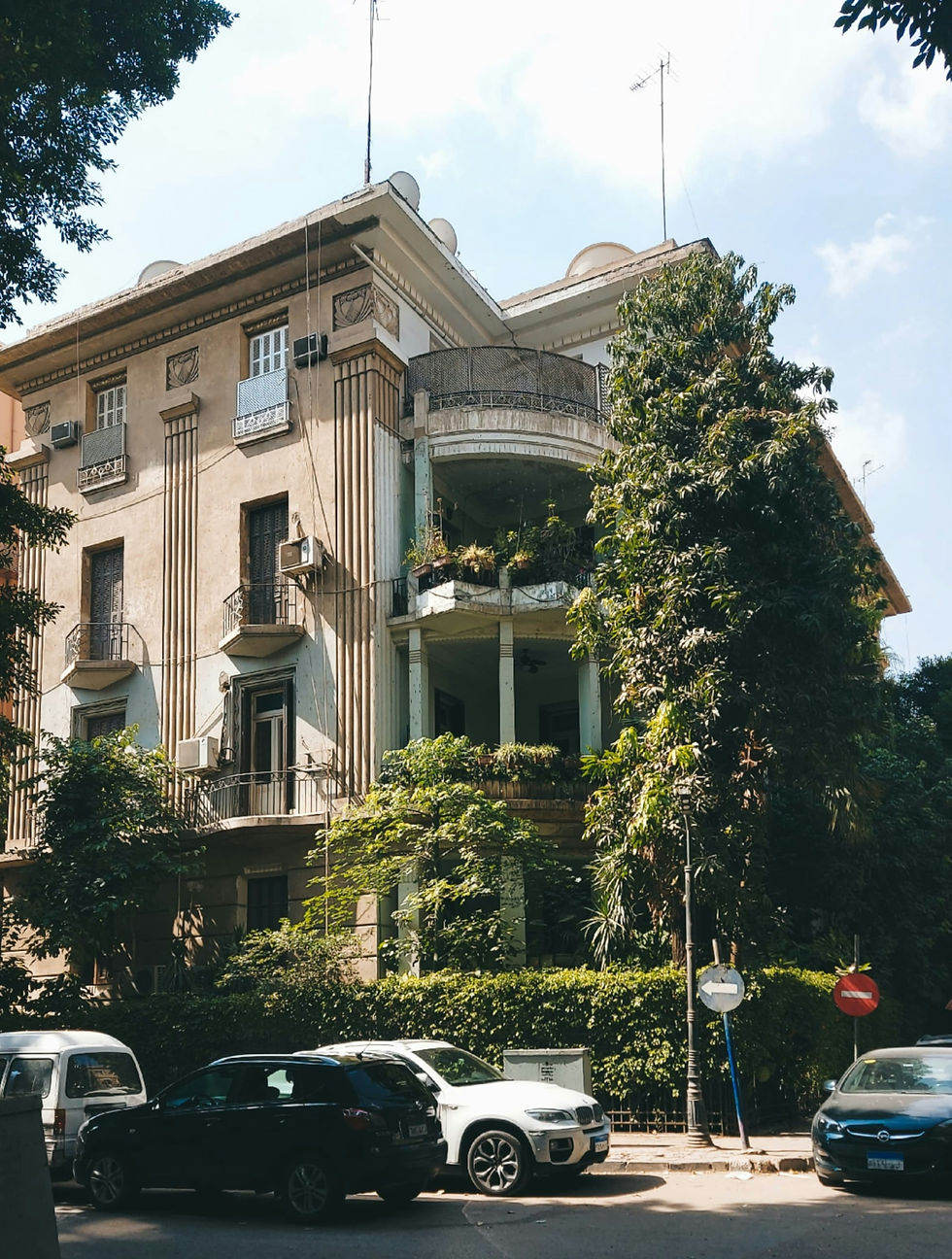
Photo: Mustafa Emad / Unsplash
Where to stay
Zamalek – quiet and central, with short distances to Downtown and Giza (Cairo Tourism).
Downtown / Tahrir – ideal for museum and art visits, especially in November.
Giza – for early mornings at the pyramids and the view of the plateau.
Good to know
Mosques may be visited outside prayer times; shoulders and knees covered, women with a headscarf (Machu Picchu Travel Guides).
At state museums and monuments, payment is now mostly by card only (Cairo Tourism).
Islamic and Coptic Cairo can be combined on foot; Giza is a day of its own (Cairo Tourism).
Cairo rewards those who take their time. The city is loud and quiet at once, ancient and entirely present. If you travel in November, you will find another layer: the art that enters into conversation with this past.
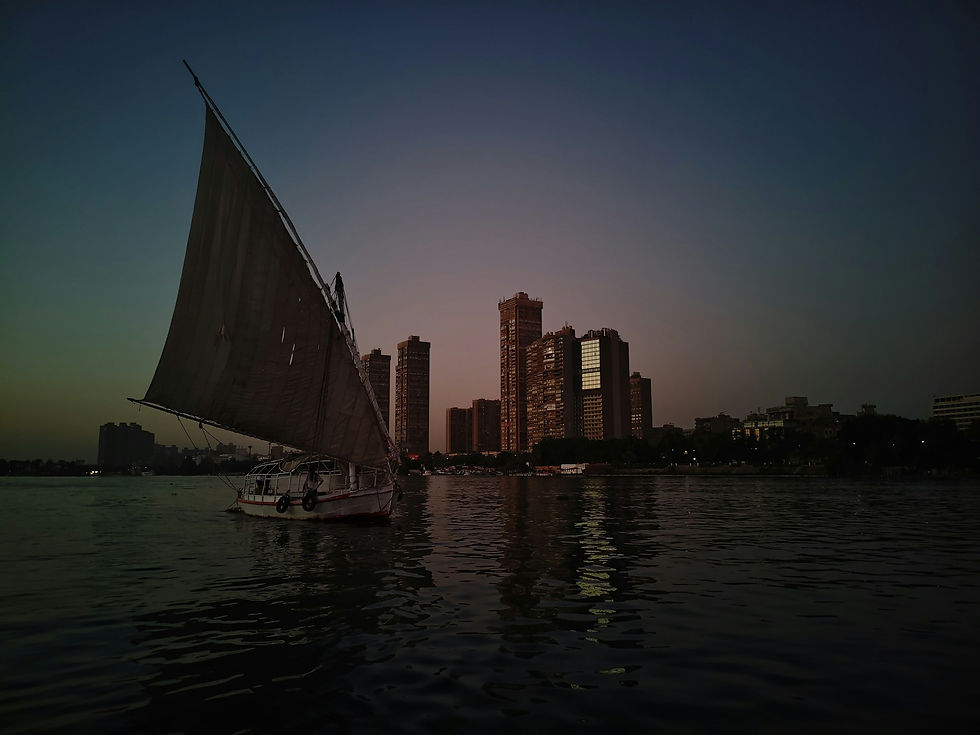
Photo: Crankylama / Unsplash


Comments